The gap in the trees is a painful reminder of the one that is missing. This past winter an ice and wind storm late in the season brought down the aspen that had sheltered our deck. Its absence is more than a hole in the canopy – it is a hole in the heart. I miss its friendly presence, its shelter, its shade. I suspect I never fully appreciated it until now. It is just the latest in a long line of missing trees – trees lost to disease, insects, climate change.
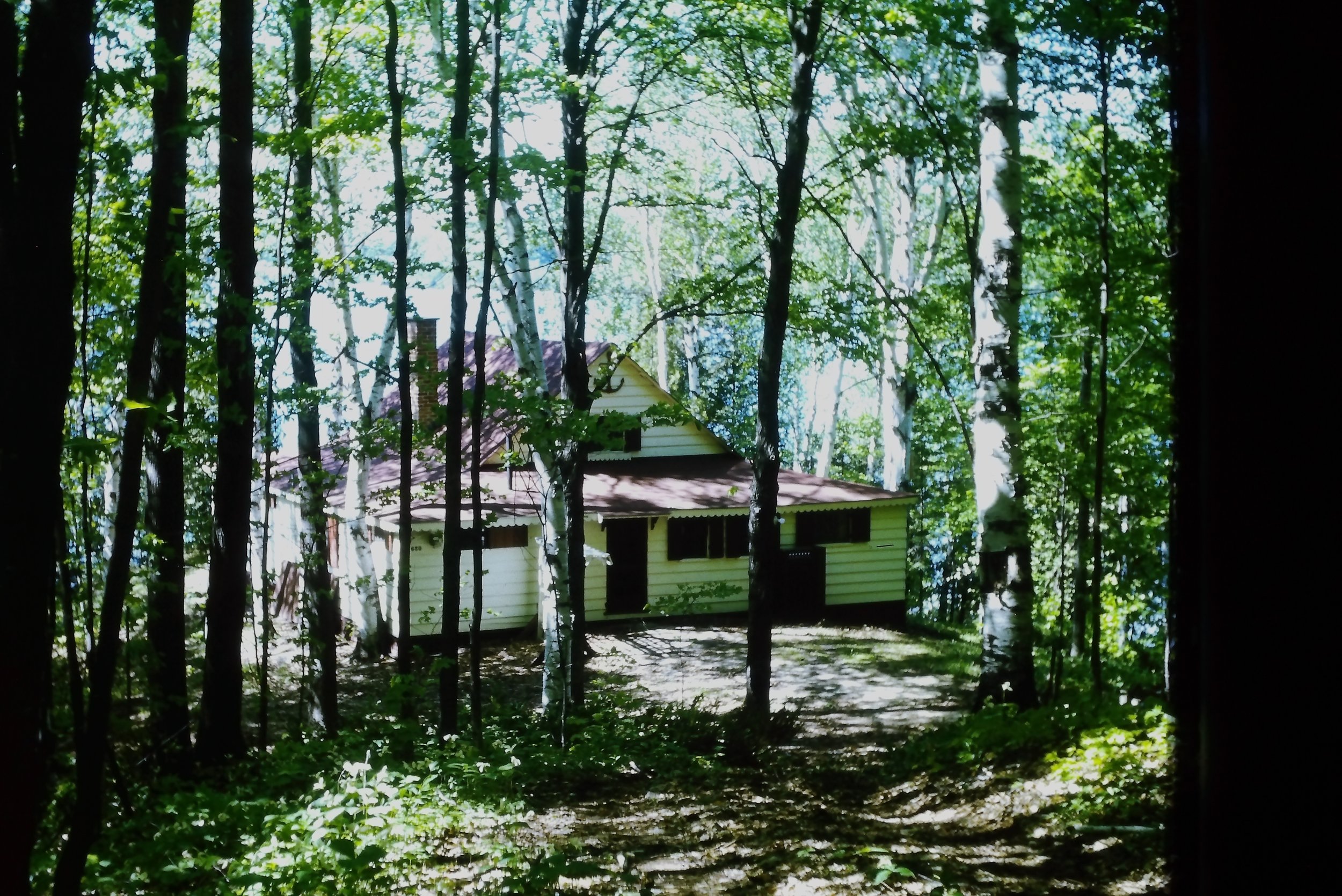
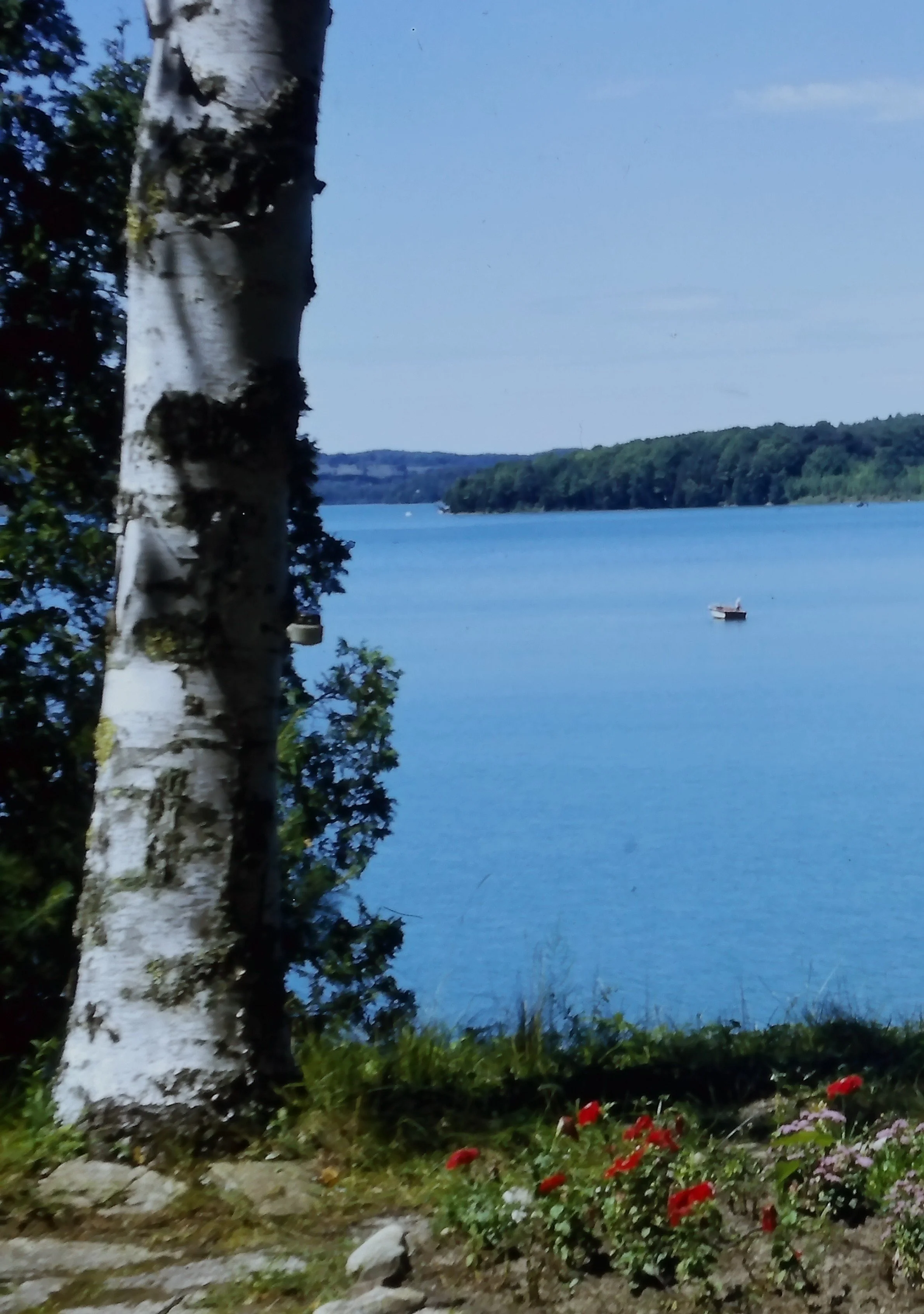
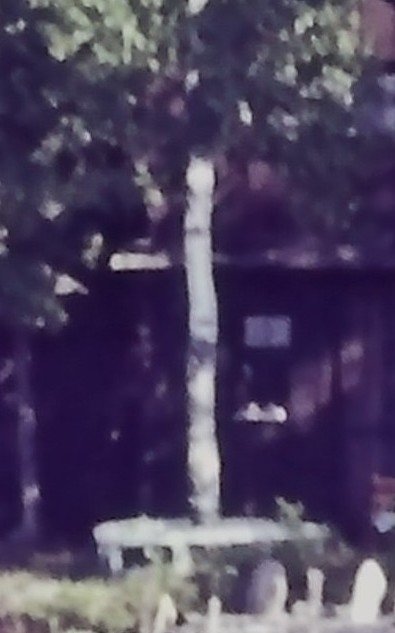
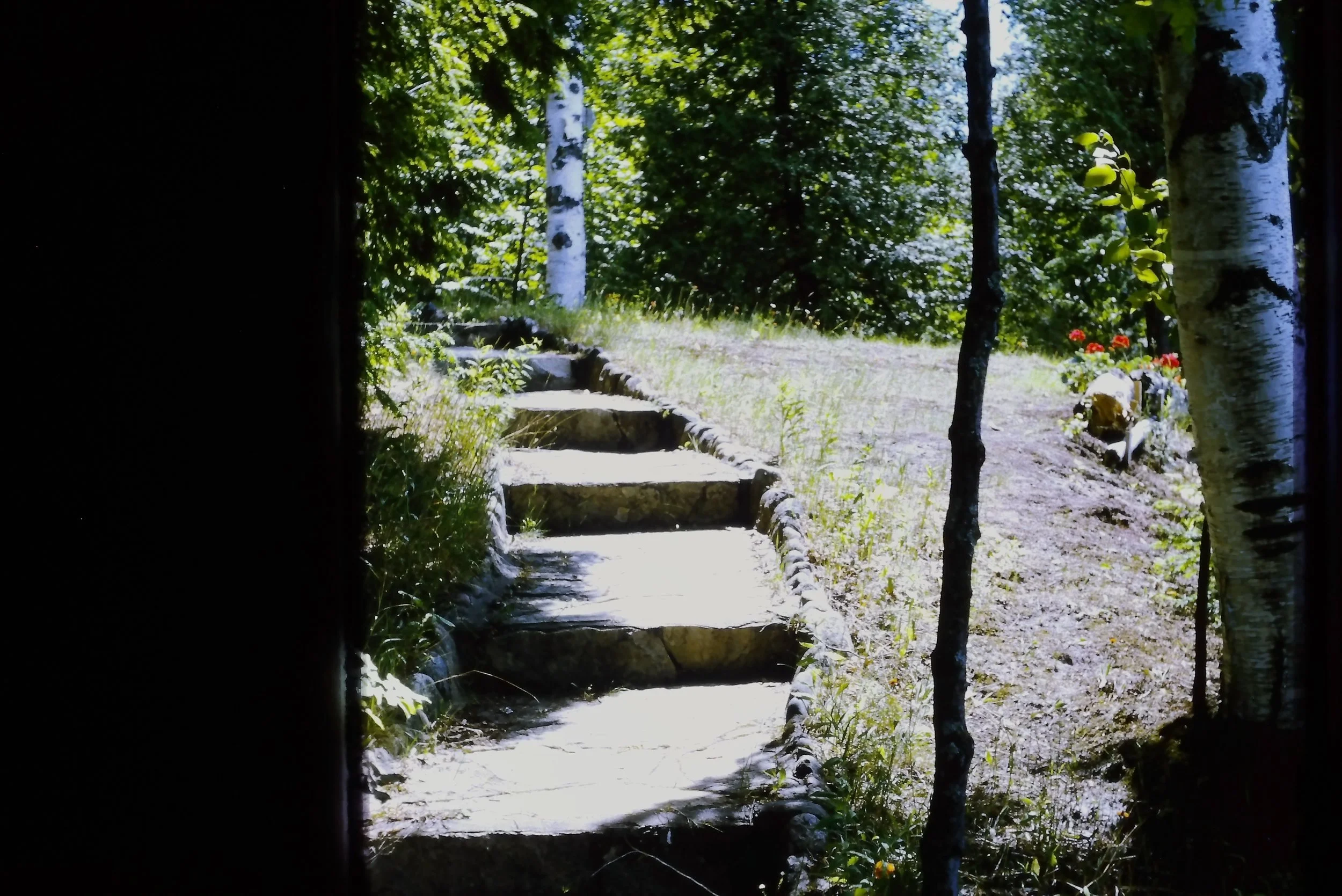
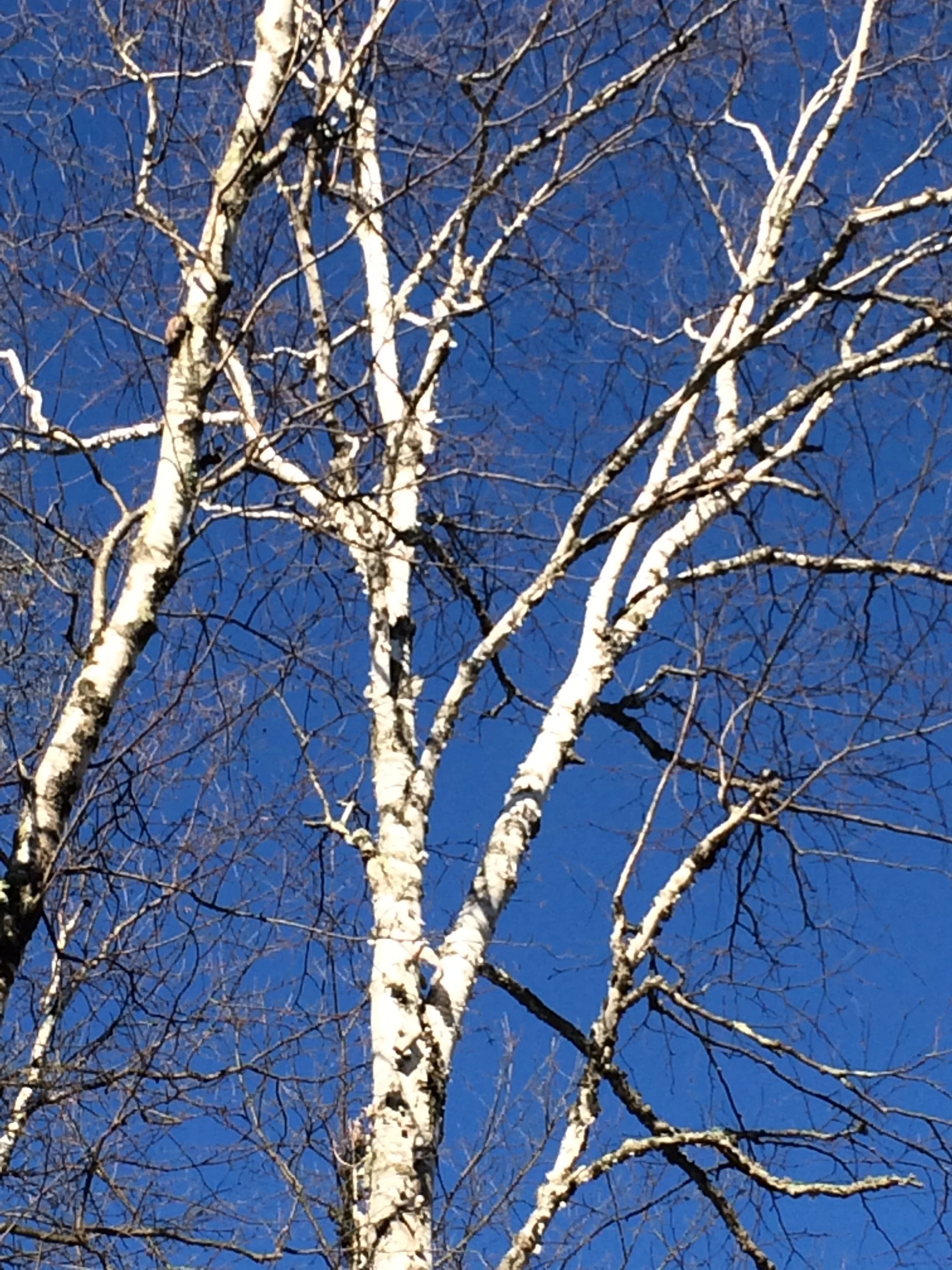
The paper birch were the first to go. When my dad first bought our family cottage in 1964, paper birch trees arched delicately over the cottage, framing it in white branches against the blue sky. Another large birch stood as a landmark on the top of the hill, and another by the lake was the centerpiece of the circular bench built around it. Several more lined the path down to the lake and dotted the hillside.
When we bought our home in Duluth, paper birches graced the yard on all sides. In the woods out back I’d befriended several of the birches, naming them according to their distinctive shapes – there was the “Mama” birch with its bulging pregnant belly, the three then four-clump birches that I’d named after our music group – “Wild By Nature,” and the glorious “Tree of Life” – a magnificent clump birch of at least a dozen connected trunks that served as a talisman for me during the most difficult days of my illness and for many years after my transplant.
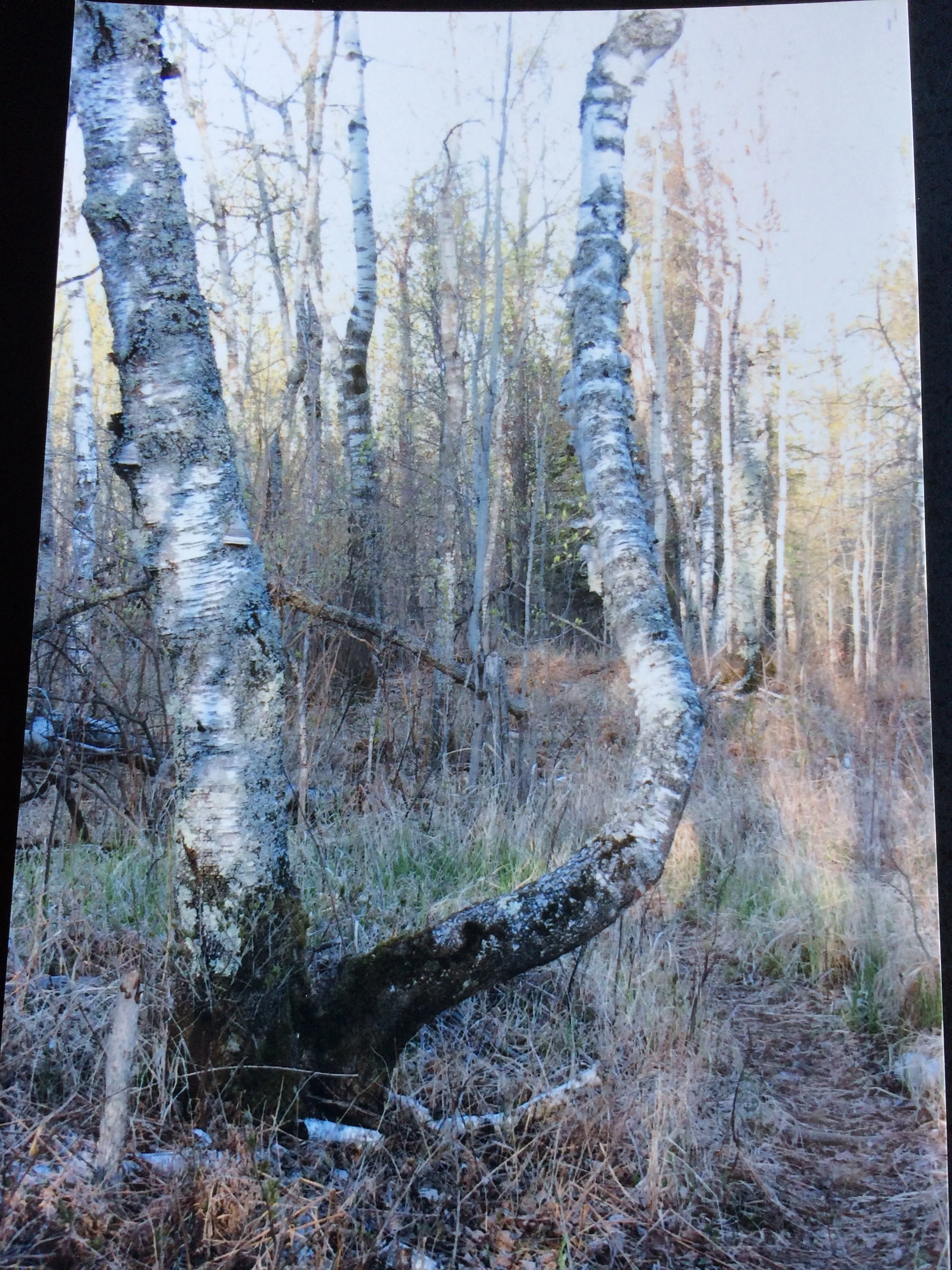
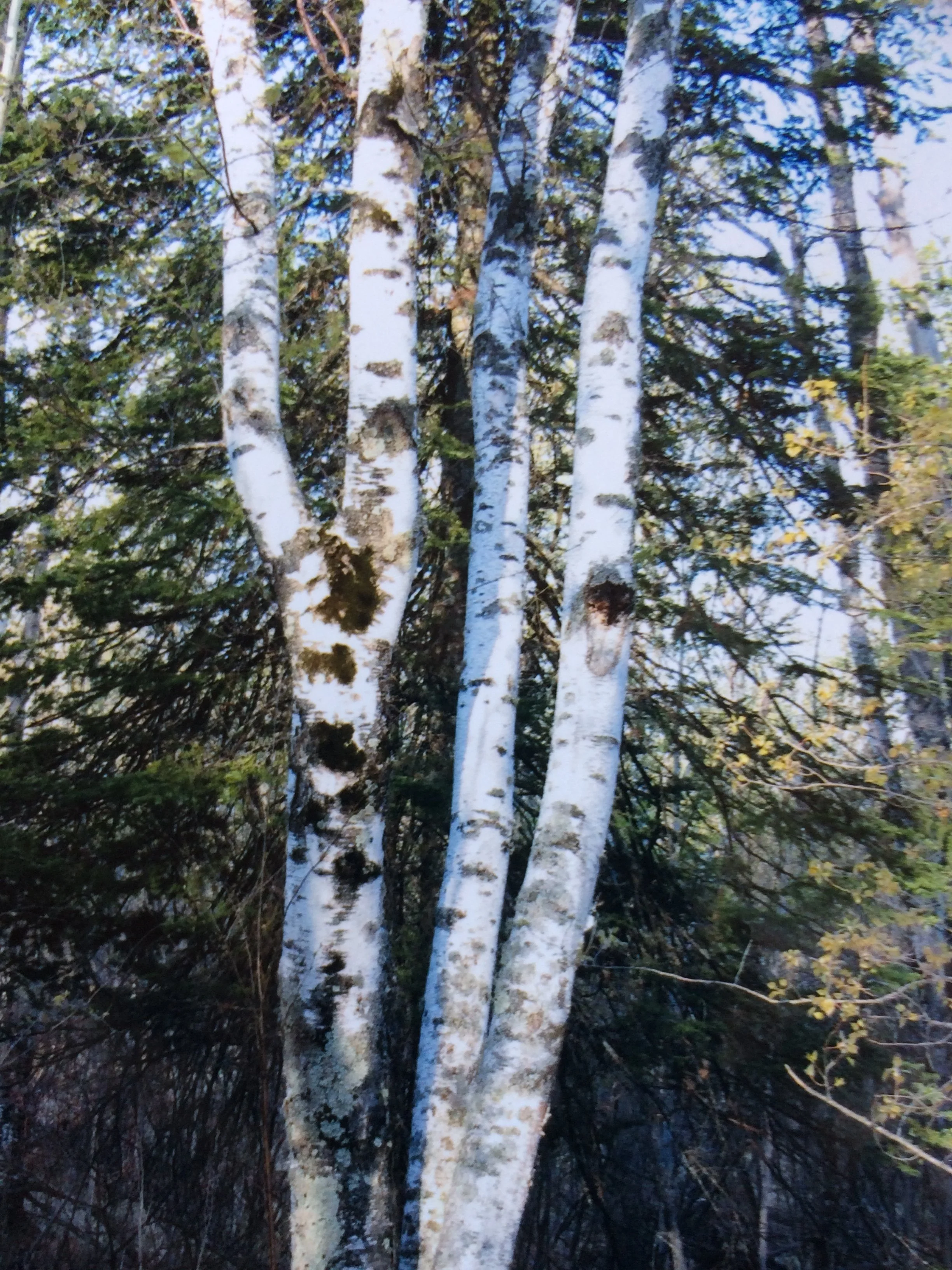
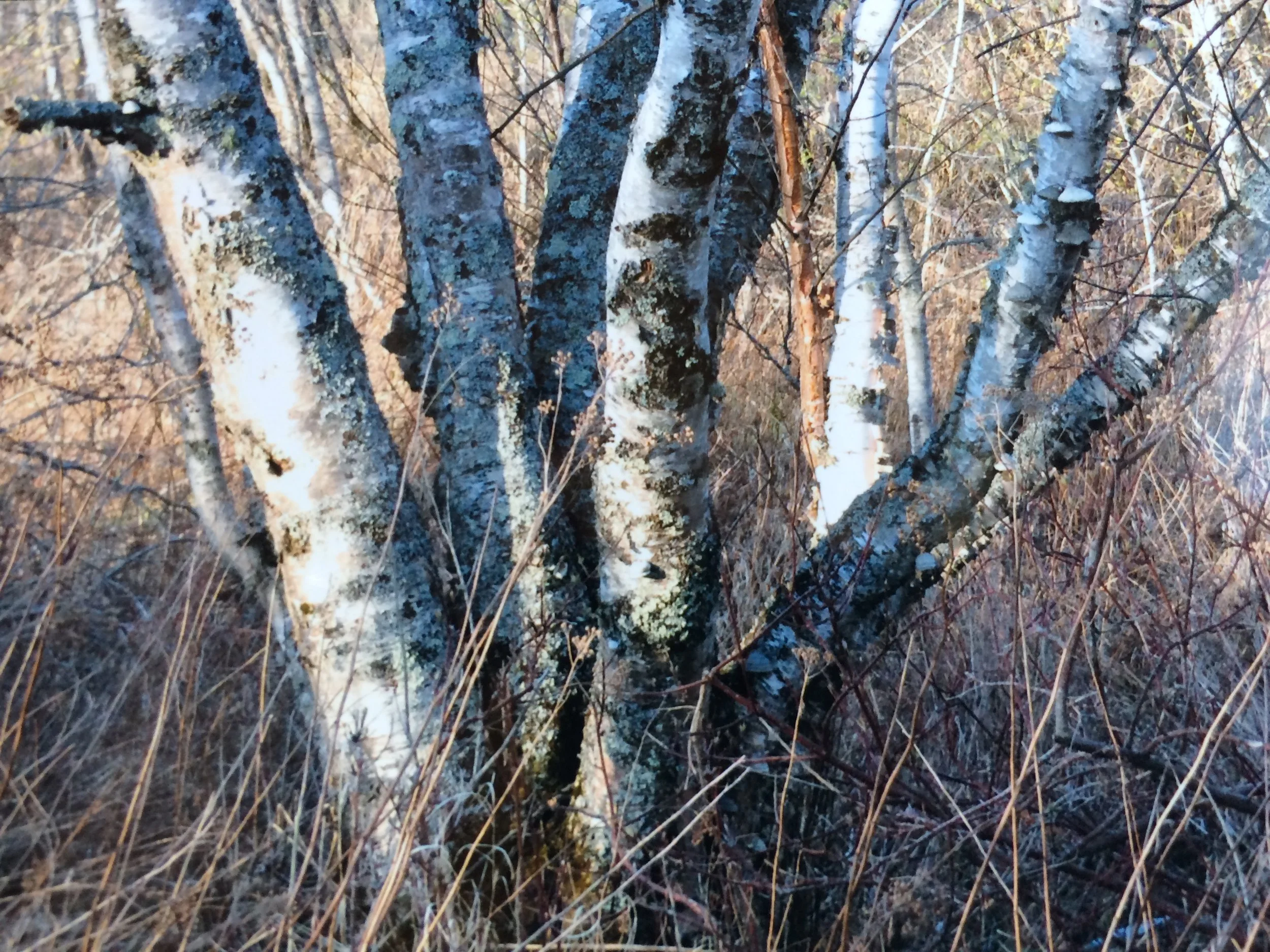
And then, one by one, the birches began disappearing. I’m not sure what disease or insect pest caused the demise of the birches. Here it was just commonly known as “birch blight.” I miss these trees that brought such bright beauty to both the summer and the winter skies -- friends that I would visit often on my walks in the woods.
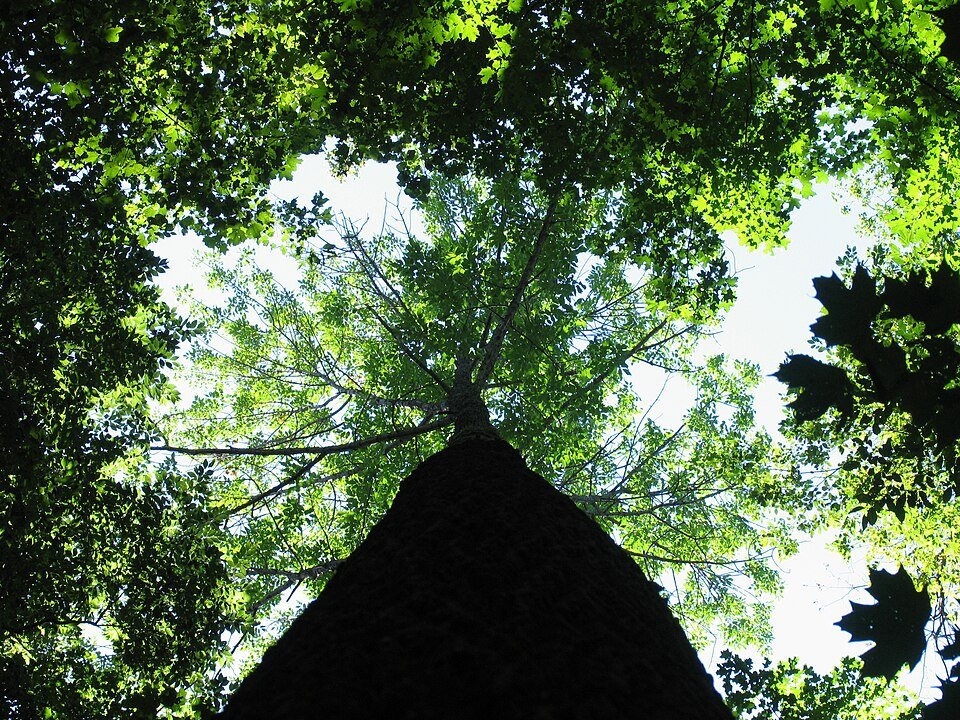
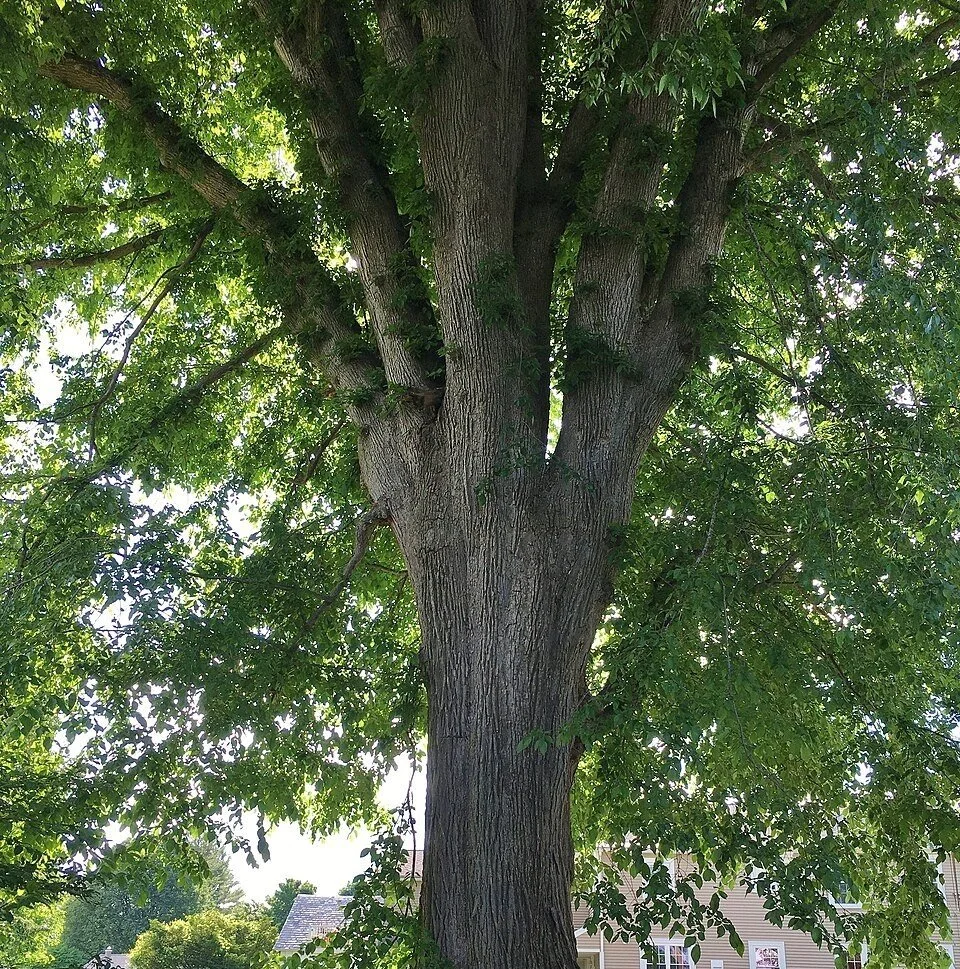
Then came the ash trees – those magnificent beings with trunks three feet in diameter and canopies of over 50 feet. They were the giants in our woods in Michigan, now fallen giants, invaded by emerald ash borers, native to northeastern Asia, suspected to have been introduced in North America via shipping crates in the 1980s. They were first identified in Michigan, where they have felled huge swaths of forest. The beetles kill by laying their eggs in the crevices of the trees’ bark. When the eggs hatch, the larvae bore into the bark and feed on the phlegm and cambium layers which transport water and nutrients throughout the tree. Now only the trunks and the growing wood pile split from the remains of the dead trees testify to their presence here.
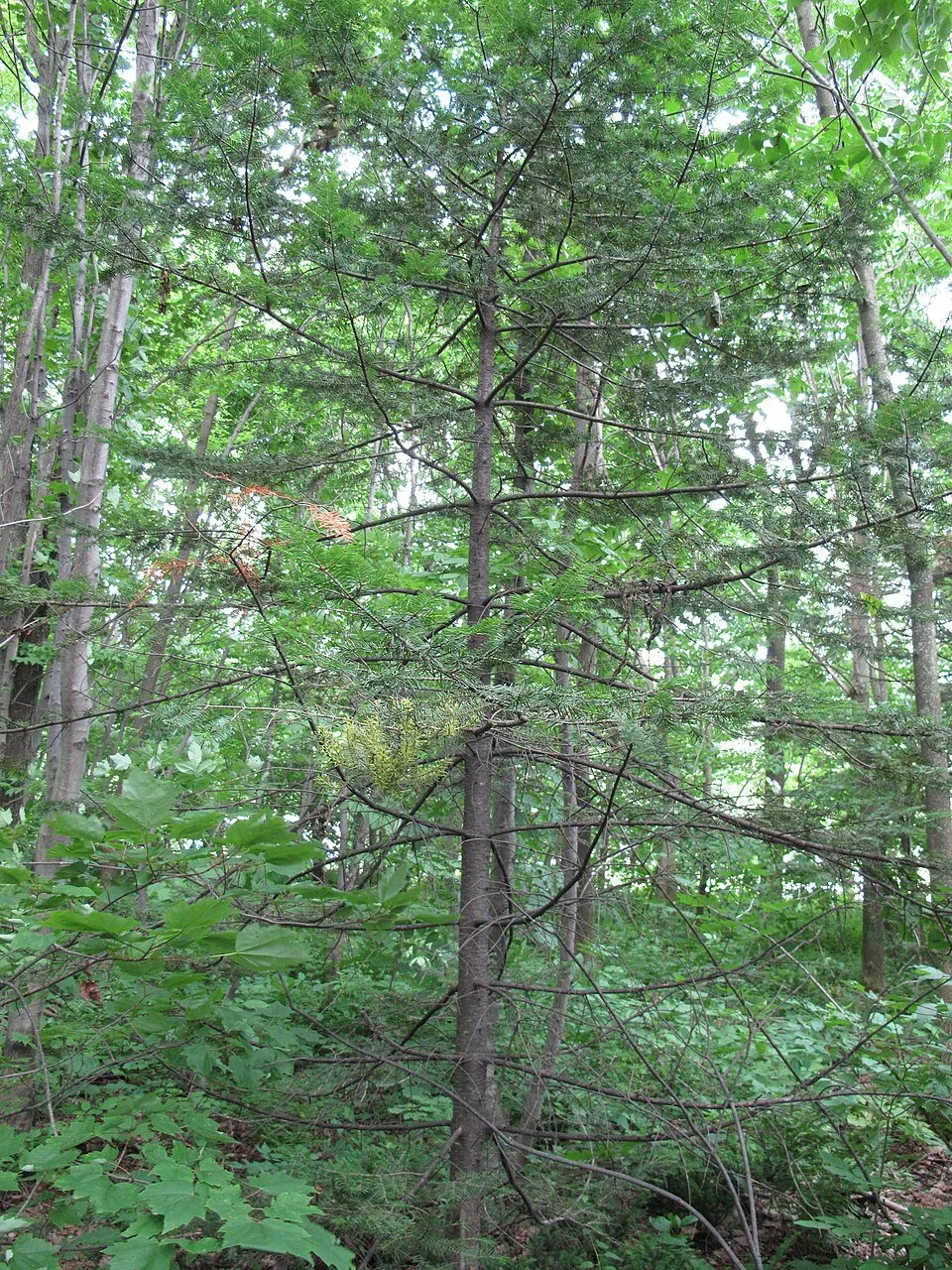
Then the balsam. The first time I drove into the forested road leading to my friend, Julie’s home in the woods, I was enchanted by the hundreds of balsam with their delicate branches reaching out in welcome and creating a feathery vista through the forest. Then a few years ago spruce budworm hit. Unlike the invasive emerald ash borer, the spruce budworm, a moth, is native to this part of the country with outbreaks occurring every 30-40 years. Like the emerald ash borer, the adult females lay their eggs on the bark of balsam fir and white spruce, and after they hatch, the larvae and caterpillars begin feeding, this time on the male flowers and needles, and then expanding into the buds. This year walking through the woods at my friend’s home is like walking through a graveyard of bones, with only the skeletal remains of the balsams left standing and often dropped to the forest floor.
Now climate change is devastating the forests – northern varieties of trees moving north to find cooler climes, others more likely to succumb to infestations when invasive insects are not killed off in the warmer winters. And then there are the forest fires. They have begun again this season with northern Minnesota once again being in drought conditions. The closest, near some of our favorite spots on the Superior Hiking Trail – the Stewart Trail fire -- burned 365 acres. Currently a fire on Burntside Lake north of Ely and close to the BWCAW is burning, with 35 acres burned and only 10 percent contained. The past several summers we have so often been forced inside because the outside air was too hazardous to breathe. As Rebecca Solnit has commented on the smoke from the California wildfires, “Now we were breathing forests.”[i] Air purifiers have become a staple of our summer existence, but what of all the wild flora and fauna who don’t have that safety net?
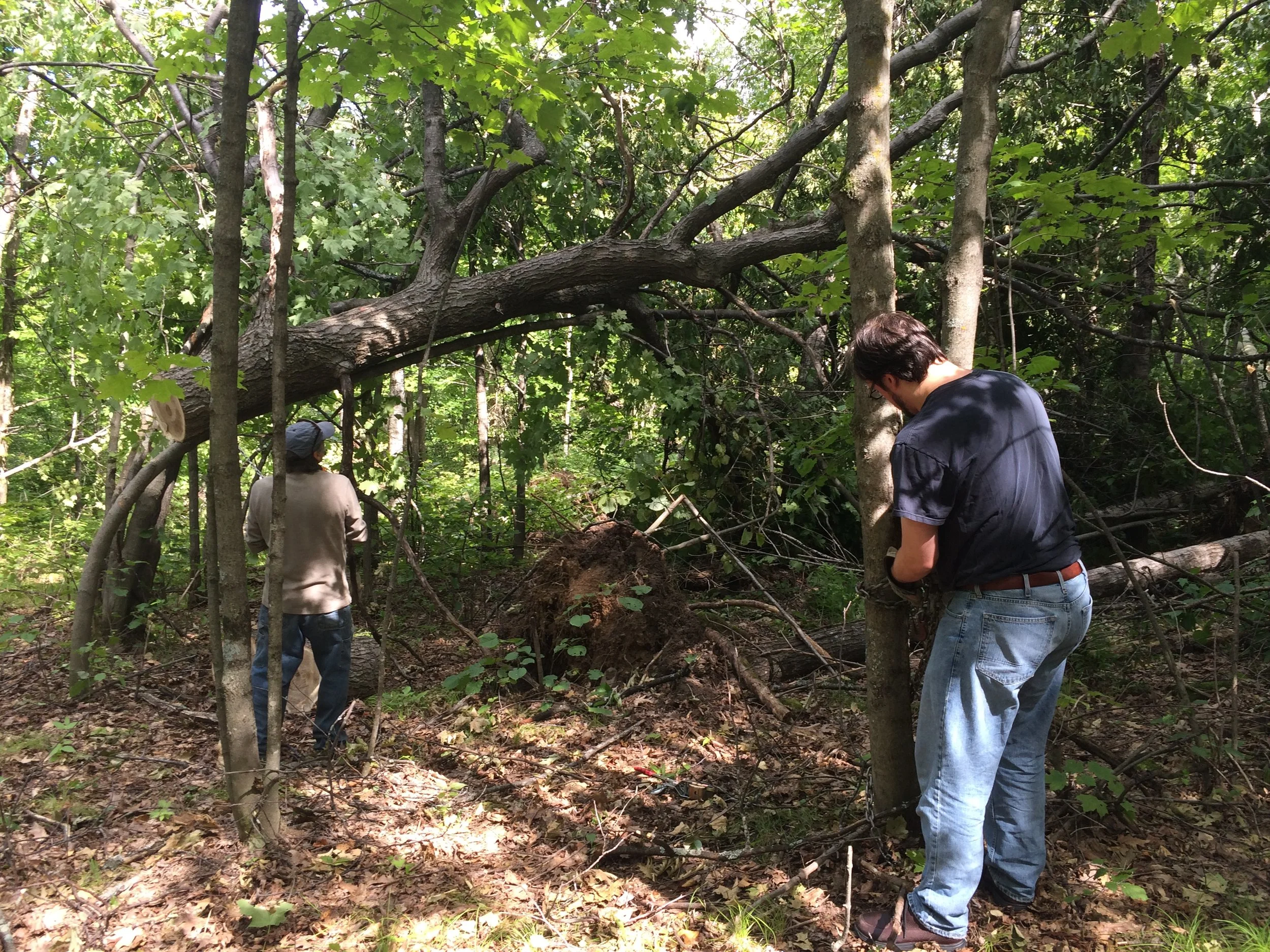
But it’s not just heat and fire taking out the trees. So are the ice and wind storms, also caused by the changing climate. Ten years ago, massive straight-line winds tore through the mostly wooded eastern end of Duluth. In fifteen minutes, they felled thousands of trees. We lost a third to half of the trees in the woods behind our house. For several years I couldn’t bear to be in those woods where’d I’d walked nearly every day because the grief I felt seeing that glorious maple-studded woods in ruins was too overwhelming. Even the huge sturdy oak where I’d planned to build a Swiss Family Robinson tree house in retirement was gone.
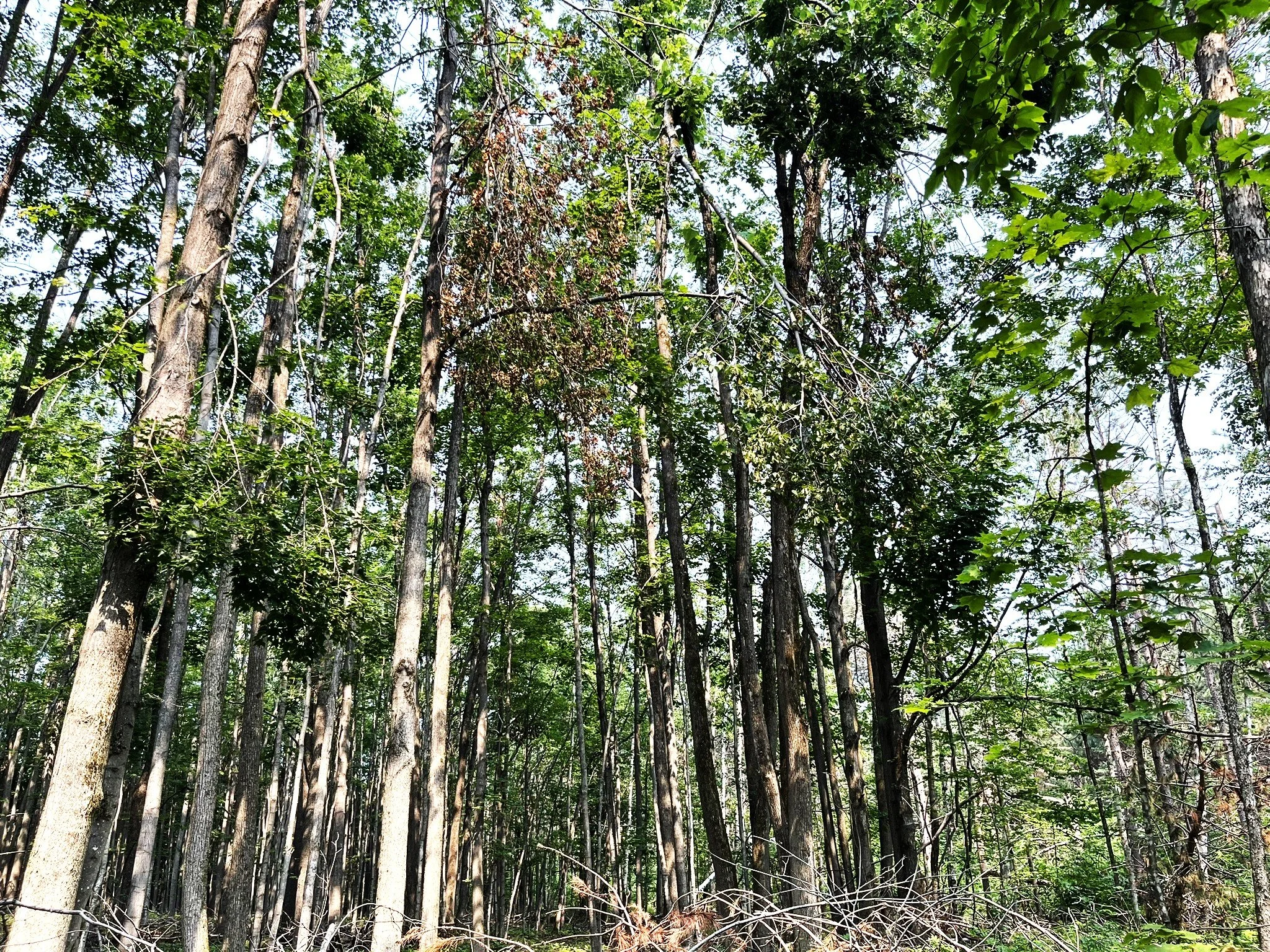
I felt the same last summer when I returned to the forest where I have so often found solace in the vast tall stands of beech and maple and the comforting sweep of the hemlocks’ branches, and found a third to half of the trees gone – their trunks upended and their broken branches hanging in corpse-like shrouds. It was just one of the thousands and millions of acres of forest wiped out in the northern third of Michigan by a severe ice storm accompanied by intense winds the previous spring.
In Ohio where I grew up, Dutch elm disease -- a fungus spread by elm bark beetles first introduced from Asia -- killed off all the elms on the tree-lined streets. I was so young at the time I hardly remembered them and so never really missed them. When I moved to Minnesota in the mid-1970s I marveled at the tall, majestic trees lining the streets that brought such grace to the urban landscape and wondered what they were. Elm trees. I hadn’t known what I was missing until then.[ii] The fact that I never missed them until I found them elsewhere makes me wonder what future generations will not even know to miss and so won’t know what their possible landscapes could be. Already my grandchildren’s generation doesn’t know that once paper birch and giant ash trees graced the woods where they now play.
It is important to give witness to the missing. As Solnit wrote, “If we don’t remember how things were, we cannot endeavor to restore what has been broken, . . . Memory of how we slipped into trouble and misery and what came before can help us journey out of it. We must remember . . . to know that there is something better than chaos and decline.”[iii]
Another tree is beginning to grow in the opening left by the aspen’s demise. My hope lies in the capacity of the forest to regenerate itself. But it is also my hope that we can not only stop but reverse the destruction of climate change so that future generations might know the beauty of birch, the awe of ash, the balm of balsam, the elegance of elms.
Source
Solnit, Rebecca. No Straight Road Takes You There: Essays for Uneven Terrain. Chicago: Haymarket Books, 2025.
Photo Credits:
Balsam: Ayotte, Gilles, Creative Commons Attribution-Share Alike 4.0
White ash tree: Joseph O'Brien from Roseville, MN, USA, Creative Commons Attribution 2.0
American elm: Marty Aligata, Creative Commons Attribution-Share Alike 4.0